Youth on Repeat: How I Turned Back Time Without Magic
Aging doesn’t have to mean decline. After years of feeling tired, stiff, and visibly worn, I discovered a science-backed way to restore energy, repair my body, and actually reverse signs of aging. It’s not about creams or quick fixes—it’s real rehabilitation from within. This is how consistent, smart recovery habits transformed my health in ways I never thought possible. What began as a quiet frustration with slowing down turned into a profound shift in how I view health, time, and the body’s incredible ability to heal when given the right support.
The Wake-Up Call: When Aging Hit Me
For years, I dismissed the small changes. A little stiffness in the morning? Normal. Needing an afternoon nap? Just busy life. But over time, the signs became impossible to ignore. Climbing stairs left me winded. My shoulders ached after hanging laundry. Even standing up from a chair required a small groan and a push from the arms. I wasn’t injured—I was just aging. And it wasn’t graceful. My skin looked dull, my hair thinner, and my energy reserves seemed permanently low. Fatigue wasn’t an occasional visitor; it had moved in.
What hurt most wasn’t the physical discomfort—it was the loss of ease. Simple pleasures like walking the dog, gardening, or playing with grandchildren began to feel like chores. I missed the version of myself who could move without thinking, who woke up ready for the day, who didn’t count the years like debts. The emotional weight of feeling 'older' was heavier than the aches. I realized I had been passive, letting time erode my vitality instead of fighting for it. This wasn’t just about vanity. It was about quality of life, independence, and the quiet dignity of being able to care for myself and my family without struggle.
The turning point came during a family hike. I fell behind, not from lack of will, but from lack of stamina. My knees protested, my breath came too fast, and I had to stop every few minutes. Watching my younger relatives stride ahead, laughing and breathing easily, I felt a pang of isolation. That moment wasn’t about comparison—it was about realization. I didn’t want to be left behind, literally or figuratively. I wanted to reclaim my strength, not as a return to youth, but as a commitment to living fully at every age. I decided to stop seeing aging as inevitable decline and start seeing it as a process I could influence.
Rethinking Aging: Repair Over Resistance
Most anti-aging messages focus on fighting time—erasing wrinkles, hiding gray hair, chasing youth like a lost treasure. But this approach often misses the point. True aging isn’t measured in lines on the face, but in the body’s decreasing ability to repair itself. Every day, our cells face damage from stress, pollution, poor diet, and even normal metabolism. In youth, the body repairs this damage quickly and efficiently. As we age, repair mechanisms slow down, and damage accumulates. This is the real engine of aging—not time, but the imbalance between damage and repair.
Science now shows that many signs of aging are not fixed, but modifiable. Cellular aging, for example, is influenced by telomeres—protective caps on the ends of chromosomes that shorten with each cell division. Shorter telomeres are linked to aging and disease. However, research indicates that lifestyle factors like stress management, sleep quality, and physical activity can slow telomere shortening and even support repair processes. This doesn’t mean turning back the clock completely, but it does mean slowing the rate at which the body wears out.
The key shift in mindset is from resistance to rehabilitation. Instead of fighting the appearance of aging, focus on improving the body’s internal repair systems. This means supporting the immune system, reducing chronic inflammation, optimizing sleep, and enhancing cellular regeneration. It’s not about looking 20 again—it’s about functioning like a well-maintained machine. Just as a car runs better with regular tune-ups, the body thrives when given consistent care. This approach is sustainable, realistic, and empowering. It turns aging from a passive process into an active partnership with your body.
Rehabilitation, in this context, isn’t just for injury recovery. It’s a daily practice of renewal. It means creating conditions where the body can heal itself—clearing out cellular debris, repairing tissues, and restoring balance. This requires consistency, not intensity. It’s not about extreme diets or punishing workouts, but about small, science-supported habits that add up over time. When you shift from resisting aging to supporting repair, you stop fearing the years and start investing in them.
The Power of Daily Recovery Rituals
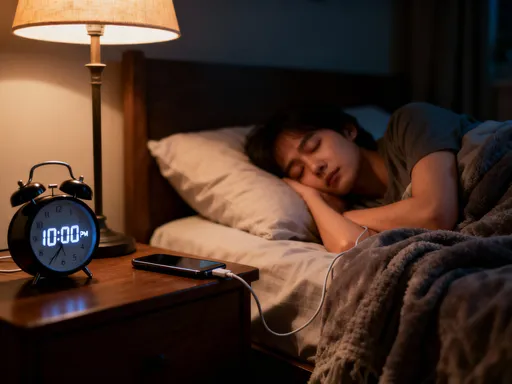
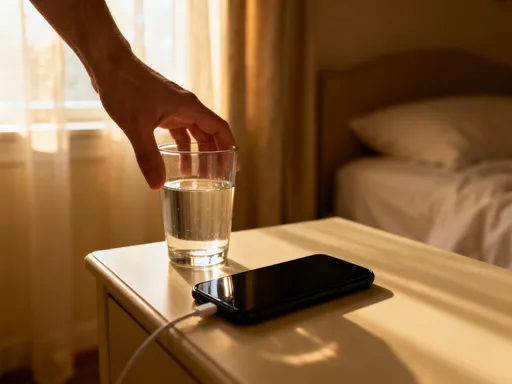
Change didn’t come from one big decision, but from a series of small, daily choices. I started with sleep—something I had long treated as optional. I set a consistent bedtime, created a calming evening routine, and made my bedroom a sanctuary for rest. Within weeks, I noticed deeper sleep and fewer nighttime awakenings. This wasn’t just about feeling more rested—it was about giving my body the time it needs for cellular repair, hormone regulation, and brain detoxification. Sleep is when the body does much of its maintenance work, and prioritizing it was the first real step toward recovery.
Next came movement. Not intense workouts, but gentle, consistent activity. I began walking every morning, starting with just ten minutes and gradually increasing. I added simple stretching after sitting for long periods. These weren’t about burning calories—they were about signaling to my body that it was safe to move, that joints could glide freely, that muscles could lengthen. Over time, stiffness decreased, and my range of motion improved. I also paid attention to hydration, drinking water throughout the day instead of waiting until I was thirsty. Dehydration worsens fatigue and joint pain, so this small habit made a noticeable difference.
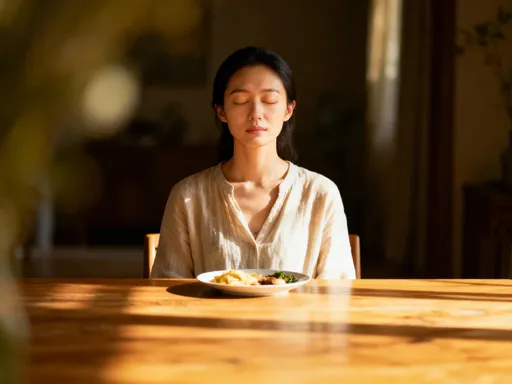
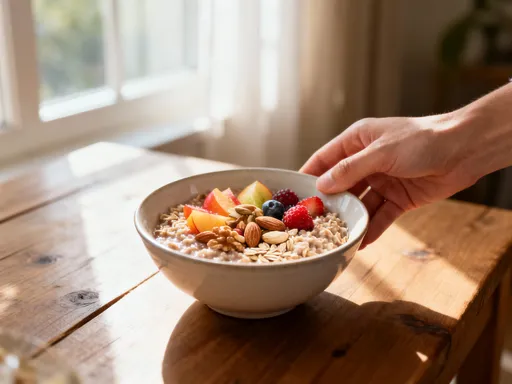
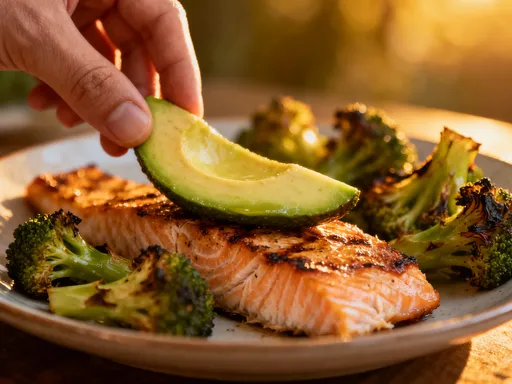
Mindful eating followed. I stopped viewing food as just fuel and started seeing it as information for my cells. I reduced processed foods and increased whole, colorful meals—leafy greens, berries, nuts, fish, and legumes. These foods are rich in antioxidants and phytonutrients that combat oxidative stress, a key driver of cellular aging. I didn’t follow a strict diet, but made sustainable shifts: more vegetables, less sugar, better quality protein. These changes reduced bloating, stabilized my energy, and improved my skin tone.
What made these rituals powerful was their consistency. They weren’t occasional efforts, but daily practices woven into my routine. Each one supported the body’s natural repair cycles—sleep for cellular cleanup, movement for circulation, hydration for detoxification, and nutrition for rebuilding. Together, they created a foundation of recovery that allowed my body to heal from years of neglect. The message was clear: health isn’t built in dramatic moments, but in the quiet repetition of good habits.
Movement That Heals: Not Exercise, but Restoration
For years, I believed that to get results, exercise had to be hard. Sweating, soreness, and pushing through pain were signs of progress. But as I aged, this approach backfired. I’d overdo it one day and pay for it the next with stiffness and fatigue. I realized I wasn’t building strength—I was creating more damage than my body could repair. That’s when I discovered rehabilitative movement: gentle, intentional practices that support healing rather than strain the body.
I started with daily walks, not for speed or distance, but for rhythm and flow. Walking improves circulation, delivers oxygen to tissues, and stimulates the lymphatic system, which clears waste from the body. Unlike intense cardio, it doesn’t spike stress hormones but instead promotes relaxation and joint mobility. I also began practicing tai chi, a slow, meditative form of movement that emphasizes balance, breath, and coordination. Within weeks, I noticed my posture improved, my balance steadied, and my mind felt calmer. Tai chi taught me that movement could be restorative, not exhausting.
Yoga became another pillar of my routine. Not the advanced poses I saw on social media, but simple stretches and breathing exercises that released tension in my shoulders, hips, and back. I focused on how the movements felt, not how they looked. This shift in focus—from performance to sensation—was liberating. I wasn’t trying to impress anyone; I was listening to my body. Gentle movement keeps connective tissues supple, prevents stiffness, and reduces the risk of injury. It also lowers inflammation, a silent driver of aging that contributes to joint pain, fatigue, and chronic disease.
These practices did more than improve my physical state—they changed my relationship with my body. Instead of seeing it as something to push or punish, I began to treat it with care and respect. I learned that longevity isn’t about how hard you can train, but how well you can recover. Rehabilitative movement isn’t about burning calories; it’s about building resilience. It keeps the body fluid, responsive, and capable of handling daily life with ease. For anyone feeling worn down by age, this kind of movement isn’t just helpful—it’s essential.
Nutrition as Internal Repair Work
I used to think of diet as a tool for weight management. But as I learned more about cellular health, I realized food is far more than calories—it’s the raw material for repair. Every bite sends signals to the body, influencing inflammation, hormone balance, and gene expression. I shifted from eating for convenience to eating for healing. This didn’t mean strict rules or deprivation, but a conscious effort to choose foods that support the body’s natural repair processes.
I focused on whole, unprocessed foods—especially vegetables, fruits, nuts, seeds, legumes, and quality proteins like fish and eggs. These foods are rich in antioxidants, which neutralize free radicals that damage cells. They also contain phytonutrients, plant compounds that reduce inflammation and support detoxification. I increased my intake of omega-3 fatty acids from sources like fatty fish and flaxseeds, known for their anti-inflammatory effects. At the same time, I reduced sugar, refined grains, and processed foods, which spike blood sugar and fuel chronic inflammation.
Gut health became a priority. Research shows that a healthy gut microbiome supports immune function, reduces systemic inflammation, and even influences mood and energy levels. I added fermented foods like yogurt and sauerkraut, rich in beneficial bacteria, and increased fiber from vegetables and whole grains to feed those microbes. Staying hydrated remained key—water supports digestion, nutrient absorption, and cellular function. I also paid attention to meal timing, avoiding late-night eating to give my digestive system a break and support overnight repair.
The results were gradual but real. My digestion improved, my energy stabilized, and I no longer experienced the afternoon crashes that used to derail my day. My skin looked clearer, my joints felt less stiff, and I had fewer colds. These weren’t dramatic transformations, but meaningful shifts that added up to a better quality of life. Nutrition, I learned, isn’t about short-term fixes. It’s a daily act of internal repair—giving the body the tools it needs to heal, renew, and thrive. When you eat with intention, every meal becomes an opportunity to rebuild.
The Mind-Body Link: Stress, Sleep, and Cellular Age
No discussion of aging is complete without addressing stress. Chronic stress is a silent accelerator of aging. When the body is constantly in 'fight or flight' mode, it floods the system with cortisol, a hormone that, in excess, breaks down muscle, increases fat storage, weakens immunity, and disrupts sleep. Over time, this wears down the body’s resilience. I realized that even if I ate well and moved daily, unmanaged stress could undo all my efforts.
I began to prioritize mental calm as seriously as physical health. I created a daily routine that included moments of stillness—five minutes of deep breathing, a short walk in nature, or simply sitting quietly with a cup of tea. I also reduced screen time, especially before bed, to lower mental stimulation and support melatonin production, the hormone that regulates sleep. Digital detox became a form of self-care, giving my nervous system a chance to reset.
Sleep quality improved as a result. I no longer lay awake ruminating on the day’s worries. Instead, I trained my body to associate bedtime with relaxation. I used consistent sleep and wake times, even on weekends, to strengthen my circadian rhythm. This internal clock governs not just sleep, but hormone release, metabolism, and cellular repair. When it’s in sync, the body functions more efficiently. When it’s disrupted, everything slows down.
The impact of these changes was profound. My mood lifted, my focus sharpened, and I felt more emotionally balanced. I also noticed physical improvements—fewer headaches, less bloating, and faster recovery from minor illnesses. Science confirms that mental well-being directly affects cellular aging. Practices that reduce stress, such as mindfulness and deep breathing, have been linked to longer telomeres and lower inflammation. This means that peace of mind isn’t just a luxury—it’s a biological necessity for healthy aging. Taking care of your mind isn’t separate from taking care of your body. They are one system, working together to heal and renew.
Tracking Progress: Real Changes, Not Just Hopes
The changes didn’t happen overnight, but they were real. Within a few weeks, I slept more deeply and woke without an alarm. My energy levels rose, not in a jittery, caffeine-fueled way, but as a steady, sustainable presence. I could walk up stairs without stopping. My clothes fit differently—not because I lost dramatic weight, but because my body composition shifted. I felt stronger, lighter, more capable.
Others noticed too. Friends commented on my clearer skin and brighter eyes. My daughter said I seemed 'more present'—less tired, more engaged. These weren’t just compliments; they were validations that the internal work was showing externally. I didn’t look 20 again, but I looked and felt healthier than I had in years. The most meaningful change was the return of ease—doing everyday things without strain, enjoying activities without paying for them later.
I also learned the importance of professional guidance. While these habits supported my health, I never stopped seeing my doctor or using medical care when needed. These lifestyle changes are not substitutes for medical treatment, but powerful complements. I used blood tests to monitor inflammation markers and hormone levels, ensuring my efforts were aligned with my body’s needs. This data helped me stay on track and make informed adjustments.
Progress wasn’t linear. There were days I skipped walks, ate convenience food, or stayed up too late. But I didn’t aim for perfection—just consistency. The goal wasn’t to be flawless, but to show up for my body every day, even in small ways. Each choice to rest, move gently, eat well, or breathe deeply was a deposit in my health account. Over time, those deposits compounded into a renewed sense of vitality. The message is simple: small, sustained actions create real change. You don’t need miracles. You need commitment to the daily work of repair.
Conclusion: Aging Backwards, One Repair at a Time
True anti-aging isn’t about erasing the past, but about reclaiming the present. My journey wasn’t about chasing youth, but about restoring function, energy, and joy. By focusing on rehabilitation—supporting my body’s natural ability to heal—I reversed many of the symptoms I had accepted as inevitable. The stiffness, fatigue, and low mood weren’t signs of aging they were signs of neglect. When I gave my body the tools it needed, it responded with resilience and strength.
This isn’t a miracle. It’s science, consistency, and self-respect. The body is designed to repair itself, but it needs the right conditions—quality sleep, gentle movement, nourishing food, and mental calm. These aren’t luxury habits for the privileged few. They are accessible, affordable, and within reach for anyone willing to start small and stay consistent. You don’t need expensive treatments or extreme measures. You need daily acts of care that signal to your body: 'You matter. I’m here for you.'
Aging doesn’t have to be a story of decline. It can be a story of renewal. Every choice to rest, to move, to eat well, to breathe deeply is a vote for vitality. It’s a promise to yourself that you will not just grow older, but grow stronger, wiser, and more alive. Start where you are. Pick one habit. Do it daily. Let your body surprise you with its power to heal. Because youth isn’t just a number on a birth certificate—it’s a state of being, available to anyone who chooses to repair, renew, and rise.