Aging Backwards? I Learned These Lifestyle Traps the Hard Way
As I approached my late thirties, I started noticing subtle changes—slower recovery, duller skin, more fatigue. I dove into anti-aging advice, only to realize many so-called solutions were actually accelerating my decline. What I thought were healthy habits turned out to be hidden pitfalls. This journey taught me that true age-defying living isn’t about quick fixes, but avoiding the daily mistakes that silently age your body. It’s time to rethink what *really* keeps you feeling young.
The Myth of Quick Fixes: Why Most Anti-Aging Hacks Backfire
Many people turn to serums, supplements, or trendy diets in hopes of looking or feeling younger. These solutions are often marketed with bold claims: erase wrinkles, boost energy, reverse aging. Yet, despite their popularity, most fail to deliver lasting results. In some cases, they even contribute to long-term decline. The problem isn’t the products themselves, but the mindset behind them—a belief that aging can be outsmarted with a single pill or potion. This quick-fix culture distracts from the deeper, systemic factors that influence how we age. True longevity isn’t found in a jar; it’s built through consistent, holistic lifestyle choices that support cellular health over time.
Scientific research increasingly shows that aging is influenced by a combination of genetic, environmental, and behavioral factors. Among these, lifestyle plays a dominant role—estimated to account for up to 75% of how we age biologically. This means that while genetics may load the gun, lifestyle pulls the trigger. Relying solely on external interventions like creams or supplements ignores this reality. For example, topical retinoids may improve skin texture, but if underlying inflammation, poor sleep, or chronic stress remain unaddressed, the benefits are limited and temporary. Similarly, antioxidant supplements may promise to fight free radicals, but excessive doses can disrupt the body’s natural oxidative balance, potentially causing more harm than good.
The allure of fast results taps into a deeper psychological need: control. As women in our thirties, forties, and beyond, we often juggle multiple roles—caregiver, professional, partner, friend. The idea that we can maintain youth with minimal effort is comforting. But this comfort comes at a cost. When quick fixes fail, disappointment follows, sometimes leading to even more extreme measures. The cycle continues: try a new cleanse, buy another supplement, invest in another treatment—only to feel frustrated when results fade. Breaking free from this pattern requires a shift in perspective: from chasing youth to cultivating vitality. That begins not with what we apply to our skin, but with how we live each day.
Skipped Sleep: The Invisible Accelerator of Aging
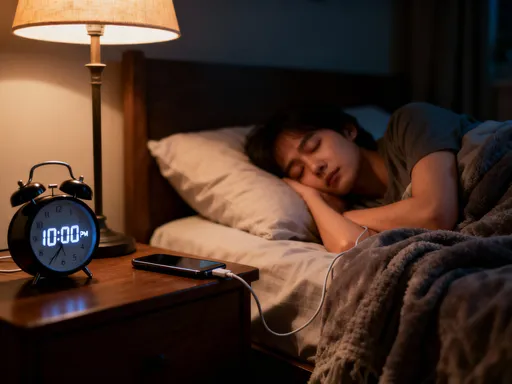
Sleep is one of the most powerful yet underappreciated tools for healthy aging. During deep sleep, the body repairs damaged cells, balances hormones, and clears metabolic waste from the brain. It’s not merely a period of rest—it’s an active state of renewal. When sleep is consistently cut short, these essential processes are disrupted, accelerating biological aging. Studies show that adults who sleep fewer than six hours per night on a regular basis exhibit signs of premature aging at the cellular level, including shortened telomeres, which are protective caps on the ends of chromosomes linked to longevity.
Chronic sleep deprivation also increases systemic inflammation, a key driver of age-related conditions such as heart disease, type 2 diabetes, and cognitive decline. Inflammation affects the skin as well, contributing to loss of elasticity and increased breakouts. Women often report duller complexion and puffier eyes after nights of poor sleep—symptoms that go beyond surface appearance. Hormones like cortisol and insulin become dysregulated, disrupting metabolism and promoting fat storage, particularly around the abdomen. Meanwhile, growth hormone production, which supports muscle tone and tissue repair, drops significantly without adequate sleep.
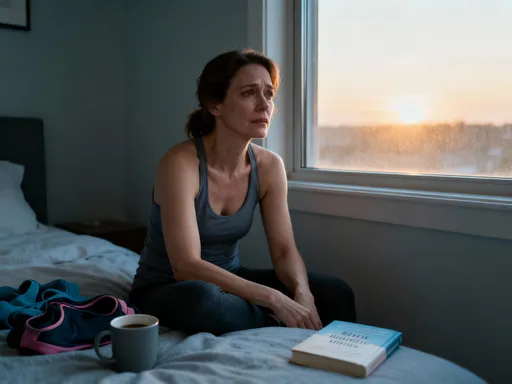
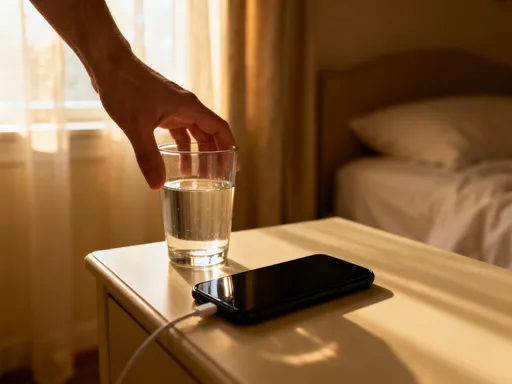
Despite its importance, sleep is often sacrificed in favor of productivity or screen time. Many women report lying awake worrying about family responsibilities, work deadlines, or personal goals. This mental activation makes it harder to fall asleep and reduces sleep quality. The result is a vicious cycle: poor sleep leads to fatigue, which leads to reliance on caffeine or sugar, further disrupting sleep the next night. The solution isn’t perfection, but consistency. Establishing a regular bedtime—even within a 30-minute window—helps regulate the body’s internal clock. Creating a wind-down routine, such as reading a book, taking a warm bath, or practicing gentle breathing, signals the brain that it’s time to shift into rest mode. Reducing exposure to blue light from screens at least one hour before bed also supports melatonin production, the hormone responsible for sleep onset. Small changes, repeated nightly, yield profound long-term benefits.
The Overtraining Trap: When Fitness Habits Age You Faster
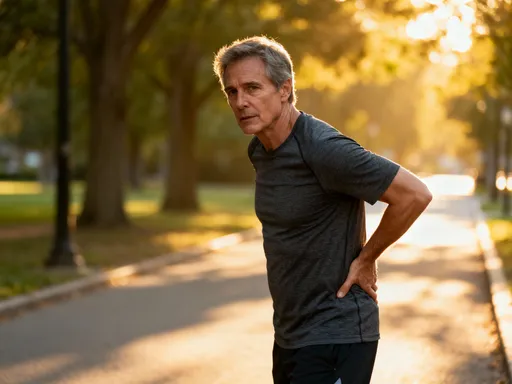
Exercise is widely praised as a cornerstone of healthy aging, and for good reason. Regular physical activity strengthens the heart, supports joint health, and improves mood. However, not all exercise routines are equally beneficial—especially as we age. An increasing number of women, particularly in midlife, fall into the overtraining trap: doing too much high-intensity exercise without sufficient recovery. While intense workouts may build endurance or burn calories in the short term, chronic overexertion stresses the body, raising levels of cortisol, the primary stress hormone. Elevated cortisol over time contributes to muscle loss, fat accumulation, weakened immunity, and accelerated cellular aging.
The body responds to exercise as a form of stress. In moderation, this stress triggers adaptation—muscles grow stronger, cardiovascular efficiency improves, and mitochondria (the energy powerhouses of cells) multiply. But when recovery time is insufficient, the stress becomes cumulative rather than constructive. This is especially true for women navigating hormonal shifts during perimenopause and menopause, when the body is already under greater physiological strain. Symptoms of overtraining include persistent fatigue, irritability, disrupted sleep, and slower healing. Some women notice their skin becoming thinner or drier, a sign that collagen production is being compromised by chronic stress.
A more sustainable approach focuses on regenerative movement rather than performance. This includes activities like daily walking, yoga, Pilates, and moderate strength training. These forms of exercise support muscle maintenance, improve balance, and enhance circulation without overwhelming the nervous system. Walking, in particular, has been shown to reduce inflammation, support brain health, and improve insulin sensitivity. Strength training helps preserve lean muscle mass, which naturally declines with age and plays a crucial role in metabolic health. The goal shifts from burning calories to building resilience. Recovery becomes just as important as exertion—incorporating rest days, stretching, and even short naps when needed. By honoring the body’s need for balance, women can maintain energy and strength for decades to come.
Emotional Stress: The Silent Wrinkle Maker
Stress is often thought of as a mental or emotional experience, but its effects are deeply physical. Chronic emotional strain—whether from work pressure, caregiving responsibilities, or unresolved personal challenges—triggers a cascade of biological responses that accelerate aging. One of the most significant findings in longevity science is that prolonged stress can shorten telomeres, the protective ends of chromosomes. Shorter telomeres are associated with a higher risk of age-related diseases and earlier mortality. This means that how we manage stress directly influences how long and how well we live.
The mechanism behind this is complex but well-documented. When the brain perceives stress, it activates the hypothalamic-pituitary-adrenal (HPA) axis, releasing cortisol and adrenaline. These hormones prepare the body for action—increasing heart rate, sharpening focus, and mobilizing energy. In short bursts, this response is helpful. But when stress is constant, the body remains in a heightened state, leading to wear and tear on multiple systems. Inflammation rises, immune function weakens, and cellular repair slows. Over time, this internal environment mimics the biological profile of someone much older.
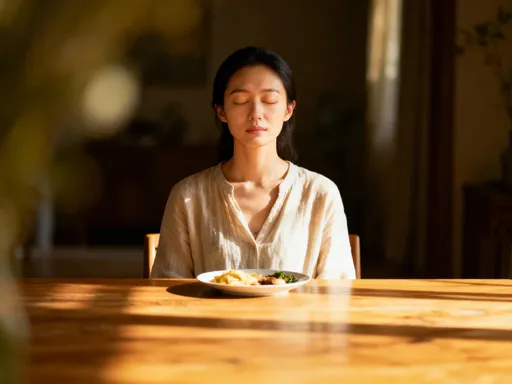
Many women internalize stress, believing they must “push through” or “handle it all.” This mindset, while admirable, can be detrimental over time. The physical signs often appear first: tension headaches, digestive issues, or unexplained aches. Emotionally, irritability, low motivation, or difficulty concentrating may emerge. The skin can reflect internal stress too—breaking out, becoming dry, or losing its glow. The good news is that reducing stress doesn’t require drastic life changes. Simple, daily practices can make a meaningful difference. Mindfulness meditation, even for just five to ten minutes a day, has been shown to lower cortisol levels and improve emotional regulation. Deep breathing exercises activate the parasympathetic nervous system, signaling the body to relax. Journaling thoughts or expressing gratitude can help process emotions before they accumulate. These small acts of self-awareness build resilience over time, allowing women to respond to life’s demands without being consumed by them.
Nutrition Missteps: Anti-Aging Foods That Aren’t What You Think
Diet plays a foundational role in how we age, yet many common eating habits unintentionally accelerate decline. While the idea of “anti-aging foods” is popular, the reality is more nuanced. No single food can reverse aging, but consistent dietary patterns either support or undermine long-term vitality. One of the most common missteps is undereating protein. As women age, their bodies become less efficient at synthesizing and utilizing protein, leading to gradual muscle loss—a condition known as sarcopenia. Without adequate protein intake, metabolism slows, strength declines, and recovery from illness or injury takes longer. Experts recommend consuming 1.0 to 1.2 grams of protein per kilogram of body weight daily, spread across meals, to maintain muscle mass and support satiety.
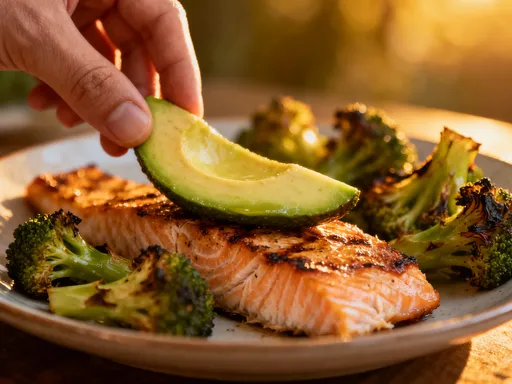
Another widespread issue is the overuse of sugar substitutes. Many women turn to artificial sweeteners or sugar-free products to manage weight or blood sugar. However, emerging research suggests that frequent consumption of non-nutritive sweeteners may disrupt gut microbiota, alter insulin sensitivity, and increase cravings for sweet foods. This can lead to metabolic confusion, making it harder to maintain stable energy levels. Similarly, skipping healthy fats—such as those found in avocados, nuts, seeds, and olive oil—can impair hormone production, skin health, and brain function. Fats are essential for absorbing fat-soluble vitamins (A, D, E, K) and supporting cell membrane integrity.
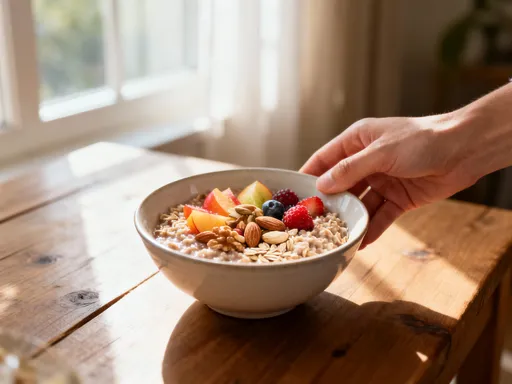
A more effective approach emphasizes whole, minimally processed foods rich in nutrient density. This includes a variety of colorful vegetables, high-fiber grains, legumes, and quality protein sources such as fish, eggs, poultry, and plant-based options. Prioritizing gut health is also critical, as a balanced microbiome supports immune function, reduces inflammation, and influences mood. Fermented foods like yogurt, kefir, sauerkraut, and kimchi provide beneficial probiotics. Eating slowly, chewing thoroughly, and avoiding late-night meals support digestion and metabolic health. Rather than focusing on restriction or labeling foods as “good” or “bad,” the goal is nourishment—fueling the body with what it truly needs to thrive across the decades.
Social Isolation: The Forgotten Factor in Healthy Aging
Human connection is often overlooked as a pillar of health, yet its impact on longevity is profound. Numerous studies have shown that strong social relationships reduce the risk of heart disease, stroke, depression, and cognitive decline. In fact, the health risks associated with chronic loneliness are comparable to those of smoking 15 cigarettes a day or having obesity. For women, who often serve as emotional anchors in families and communities, social isolation can be especially damaging—yet also easy to overlook. As children grow older, careers evolve, or friendships fade, the natural support network may shrink without conscious effort to rebuild it.
The biological link between connection and health is well-established. Positive social interactions reduce cortisol levels, lower blood pressure, and enhance immune function. Feeling seen, heard, and valued activates neural pathways associated with safety and well-being. Conversely, loneliness triggers a state of low-grade, chronic stress, increasing inflammation and weakening the body’s ability to repair itself. Over time, this contributes to accelerated aging at both the cellular and systemic levels. Women who report feeling emotionally isolated are more likely to experience fatigue, sleep disturbances, and a sense of purposelessness.
The good news is that meaningful connection doesn’t require a large circle of friends or constant socializing. Small, consistent efforts can make a significant difference. Scheduling a weekly phone call with a sister, joining a book club, volunteering for a cause, or simply sharing a meal with a neighbor can foster a sense of belonging. Digital tools can help maintain long-distance relationships, but face-to-face interaction remains uniquely powerful. Even brief moments of genuine connection—laughing with a friend, listening to a child’s story, sharing a quiet moment with a partner—can replenish emotional reserves. Prioritizing these interactions is not a luxury; it’s a necessity for long-term health. Just as we schedule doctor’s appointments or fitness routines, we should make time for relationships that nourish the soul.
The Power of Small Shifts: Building an Age-Defying Lifestyle
Lasting change rarely comes from dramatic overhauls. More often, it emerges from small, consistent choices repeated over time. The idea of “aging backwards” isn’t about erasing years, but about feeling more vibrant, resilient, and engaged in life. This begins with awareness—recognizing the habits that silently undermine health and replacing them with sustainable alternatives. Instead of aiming for perfection, the focus should be on progress. Each positive choice, no matter how minor, contributes to a larger pattern of well-being.
Recovery is a central theme in age-defying living. This includes not only sleep and physical rest but also mental and emotional restoration. Creating space for stillness—whether through meditation, nature walks, or quiet reflection—allows the body and mind to reset. Managing stress through mindfulness, setting boundaries, and asking for help when needed prevents burnout and supports hormonal balance. Nutrition becomes less about dieting and more about nourishing the body with whole, satisfying foods that sustain energy and support cellular health. Movement shifts from punishment to celebration—finding joy in walking, dancing, stretching, or lifting weights not to change the body, but to honor it.
Social connection is woven into daily life through intentional acts of presence. Putting down the phone during meals, writing a heartfelt note, or simply listening without multitasking strengthens relationships. These moments build trust, deepen bonds, and create a sense of emotional security. Over time, the compounding effect of these small shifts becomes evident: clearer thinking, steadier moods, stronger immunity, and a more radiant appearance. The goal is not to stop the clock, but to live fully at every stage. By focusing on what truly matters—balance, connection, and self-care—women can move through life with strength, grace, and purpose.
The journey of healthy aging is deeply personal, yet universally relevant. It’s not about resisting change, but about embracing it with wisdom and intention. Each day offers a new opportunity to make choices that support long-term vitality. By avoiding common lifestyle traps—skipping sleep, overtraining, neglecting emotional health, making poor food choices, or isolating socially—women can create a foundation for enduring well-being. True anti-aging isn’t found in a bottle or a trend. It’s lived, one mindful decision at a time. And in that living, there is not just longevity, but a richer, more meaningful experience of life itself.