Why I Finally Beat My Daily Slump — A Beginner’s Real Food Fix
Ever feel tired, foggy, or just "off" even after sleeping? I did — constantly. For months, I struggled with low energy, poor focus, and constant cravings, thinking it was just how adult life felt. Turns out, it wasn’t normal — it was subhealth. What changed? Not a miracle, but real, simple food shifts. This is how I started fixing my daily health from the inside out, one bite at a time — no extremes, just sustainable choices that actually work.
The Hidden State: What Is Subhealth and Why It’s Not Just “Being Tired”
Subhealth is not a medical diagnosis, but it’s a very real experience shared by millions of adults, especially women between the ages of 30 and 55 who manage homes, careers, and families simultaneously. It sits in the gray zone between wellness and illness — not sick enough to require medication, yet not well enough to feel vibrant. Common signs include persistent fatigue, difficulty concentrating, disrupted sleep, mood swings, and an ongoing sense of being overwhelmed. These symptoms are often dismissed as “just part of aging” or “stress,” but they signal that the body is out of balance.
Unlike acute illness, subhealth develops gradually. It doesn’t arrive with a fever or a diagnosis; instead, it creeps in through daily habits. Many people experience what’s known as the “afternoon slump” — a sudden drop in energy between 2 p.m. and 4 p.m., often leading to another cup of coffee or a sugary snack. Others find themselves reaching for comfort foods after a long day, not out of hunger but emotional fatigue. These patterns are not random. They are responses to nutritional imbalances, inconsistent meal timing, and poor food quality.
One reason subhealth is so widespread is that it’s rarely addressed by traditional healthcare unless symptoms become severe. Blood tests may come back “normal,” yet the person still feels off. This gap leaves many feeling isolated and confused. However, research in integrative health suggests that diet plays a foundational role in managing these subtle but disruptive symptoms. The good news is that because subhealth is largely lifestyle-driven, it can also be lifestyle-reversed — starting with what we eat every day.
My Wake-Up Call: How Daily Habits Were Sabotaging My Energy
For years, I accepted low energy as my normal. I would wake up tired, rely on coffee to get through the morning, and then crash by mid-afternoon. I thought this was just what it meant to be a busy woman juggling work, kids, and household responsibilities. I rarely ate breakfast, often skipping it entirely in favor of getting the kids off to school or finishing emails. Lunch was whatever I could grab — a frozen meal, a sandwich from the deli, or leftovers eaten at my desk. By evening, I was exhausted and emotionally drained, which made it harder to cook a proper dinner. Instead, I’d heat up something quick, often high in refined carbs or sodium.
My biggest habit, though, was my dependence on sugar. I didn’t realize how much I was consuming until I started paying attention. A sweetened latte in the morning, a cookie with my afternoon tea, dessert most nights — it added up. I told myself it was a small indulgence, a way to reward myself for getting through the day. But over time, I noticed a pattern: the more sugar I ate, the more I craved it. My energy would spike and then plummet, leaving me feeling jittery and then sluggish. My focus suffered, and I became more irritable, especially with my family.
The turning point came one Tuesday afternoon when I found myself sitting in the school parking lot, too tired to turn the car off and go inside. I wasn’t sick. I hadn’t pulled an all-nighter. Yet I felt completely drained, both physically and mentally. That moment forced me to ask: Is this really how I want to live? I realized I had been treating my body like a machine that could run on empty, fueled by caffeine and convenience. I wasn’t giving it the nourishment it needed to function well. That day, I decided to make a change — not through a drastic diet, but by slowly improving my daily food choices.
Food as Daily Maintenance: Shifting from Dieting to Nourishment
My first mistake was thinking in terms of diets. Like many women, I had tried various short-term eating plans — low-carb, juice cleanses, intermittent fasting — hoping for quick results. But these approaches left me feeling deprived, and the benefits never lasted. I’d lose a few pounds, only to regain them once I returned to my usual habits. What I finally understood was that I wasn’t looking for a temporary fix; I needed a sustainable way to support my energy, mood, and overall well-being every day.
This shift in mindset — from dieting to nourishment — changed everything. Instead of asking, “What can I cut out?” I began asking, “What can I add in?” I started viewing food not as the enemy, but as daily maintenance for my body, much like oil for a car or charging a phone. Just as a phone won’t hold a charge if the battery is old or overused, my body couldn’t sustain energy if it wasn’t properly fueled. I learned that balanced meals — those with protein, fiber, and healthy fats — help stabilize blood sugar, which in turn supports steady energy and mental clarity.
I also let go of labeling foods as “good” or “bad.” This all-or-nothing thinking had only led to guilt and cycles of restriction and overeating. Instead, I focused on inclusion and balance. For example, I didn’t ban sweets entirely, but I reduced how often I ate them and made sure they came after a balanced meal. I began to see my plate as a tool for wellness — not perfection, but consistency. Over time, this approach reduced cravings, improved my sleep, and made me feel more in control of my day.
The First Step: Simple Swaps That Actually Stick
When I first decided to change my eating habits, I was overwhelmed by all the information out there. Should I go keto? Gluten-free? Organic only? I realized that aiming for perfection would set me up for failure. Instead, I focused on small, realistic changes that I could maintain without feeling deprived. I started with just three simple swaps — ones that required no special ingredients, extra time, or drastic lifestyle changes.
The first was replacing sugary drinks with water or herbal tea. I used to drink at least one soda or sweetened iced tea every day, sometimes more. I didn’t think much of it, but when I added up the sugar, it was equivalent to eating several cookies. I began by swapping one sugary drink for water each day, then gradually increased until I was drinking mostly water. I added lemon or cucumber for flavor, and I noticed that within a week, my afternoon crashes became less severe. My skin also looked clearer, and I felt less bloated.
The second swap was adding protein to breakfast. For years, I either skipped breakfast or had something light like toast or a banana. I learned that protein helps keep you full and supports stable blood sugar. I started with simple additions: a boiled egg, a spoonful of nut butter on my toast, or plain Greek yogurt with fruit. These small changes made a big difference. I no longer felt hungry by 10 a.m., and my energy stayed more consistent through the morning.
The third change was choosing whole grains over refined ones. I switched from white bread to whole grain, from sugary cereals to oatmeal, and from white rice to brown or wild rice. At first, I thought I wouldn’t like the texture, but I got used to it quickly. Whole grains are rich in fiber, which helps digestion and keeps energy levels steady. I also found that I didn’t crave snacks as much in the afternoon. These three swaps didn’t require a complete kitchen overhaul, but together, they laid the foundation for lasting change.
Building a Real Routine: What My Plate Looks Like Now
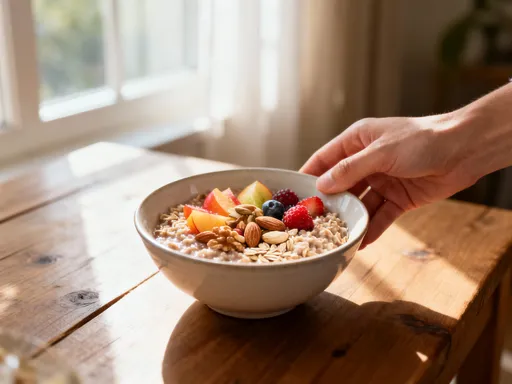
Today, my daily eating routine is far from perfect, but it’s consistent and balanced. I’ve built a rhythm that works with my lifestyle, not against it. Breakfast is now non-negotiable. I usually have a bowl of oatmeal topped with sliced banana, a sprinkle of cinnamon, and a tablespoon of almond butter. Sometimes I’ll have scrambled eggs with spinach and whole grain toast. The key is including protein, fiber, and healthy fats to start the day on a steady note.
Lunch is typically a mix of vegetables, lean protein, and whole grains. I might have a large salad with grilled chicken, chickpeas, avocado, and a simple olive oil and lemon dressing. Other days, it’s a bowl of quinoa with roasted vegetables and a piece of baked salmon. I aim for color and variety — the more colorful the plate, the more nutrients I’m likely getting. I’ve also learned to listen to my hunger cues. Instead of eating out of habit or stress, I check in with myself: Am I truly hungry? What does my body need right now?
Snacks are intentional, not automatic. I keep cut-up vegetables, fruit, plain yogurt, or a small handful of nuts on hand. When I feel a craving coming on, I ask myself if I’m actually hungry or just bored or stressed. Often, a glass of water or a short walk helps more than food. Dinner is usually a lighter meal — perhaps soup, a stir-fry, or a simple protein with steamed vegetables. I try to eat at a consistent time and avoid heavy meals late at night, which helps with digestion and sleep.
Meal prep has been a game-changer. Every Sunday, I spend about an hour washing and chopping vegetables, cooking a batch of quinoa or brown rice, and preparing a few simple proteins like hard-boiled eggs or grilled chicken. This doesn’t mean I cook every meal in advance, but having components ready makes it easier to assemble healthy meals during the week. It reduces decision fatigue and prevents me from reaching for convenience foods when I’m tired.
Beyond the Plate: How Eating Well Supports Overall Daily Function
The benefits of better eating go far beyond energy. Over time, I noticed improvements in areas I hadn’t even targeted. My focus at work became sharper. I could concentrate on tasks without constantly getting distracted. My mood stabilized — I was less reactive and more patient, especially with my children. Digestion improved, and I no longer felt bloated or uncomfortable after meals. Even my sleep became more restful. I fell asleep more easily and woke up feeling more refreshed.
What surprised me most was how these changes reinforced each other. When I felt more alert during the day, I had more motivation to move my body — even if it was just a 20-minute walk. When I slept better, I was less tempted by sugary snacks the next day. This created a positive feedback loop: good choices led to better outcomes, which made it easier to keep making good choices. I didn’t transform overnight, but the gradual progress built confidence.
Of course, there were setbacks. Some days, I still reached for cookies after dinner or skipped breakfast during a busy morning. But instead of seeing these moments as failures, I learned to view them as part of the process. Sustainable change isn’t about perfection; it’s about consistency over time. The key is to return to your routine without guilt or self-criticism. Each day is a new opportunity to support your health.
Staying on Track: Mindset, Patience, and When to Seek Help
One of the most important lessons I’ve learned is that lasting change requires a long-term mindset. I used to expect quick results — a few days of eating well and I should feel amazing. But real progress is gradual. It took about four to six weeks before I consistently noticed more energy and fewer cravings. During that time, patience and self-compassion were essential. I reminded myself that I was building a new relationship with food, not just following a set of rules.
I also shifted how I measured success. Instead of focusing only on how I looked, I began paying attention to how I felt. Did I have more energy in the afternoon? Was I sleeping better? Could I handle stress more calmly? These subtle indicators were more meaningful than the number on the scale. I started keeping a simple journal, noting my energy levels, mood, and food choices. It helped me see patterns and celebrate small wins.
Finally, I want to emphasize that while food plays a powerful role in daily well-being, it’s not a substitute for professional medical care. If you’ve made consistent changes and still experience persistent fatigue, mood issues, or other concerning symptoms, it’s important to talk to a healthcare provider. Conditions like thyroid imbalances, vitamin deficiencies, or hormonal changes can contribute to subhealth and may require medical evaluation. Nutrition is a vital piece, but it’s one part of a larger picture.
What I’ve learned is that small, consistent choices add up. You don’t need to overhaul your life to feel better. Start with one swap. Add protein to your breakfast. Drink more water. Choose whole grains. These steps may seem small, but they are powerful. They send a message to your body that you care. And over time, that care translates into energy, clarity, and a deeper sense of well-being. You don’t have to be perfect. You just have to begin.