Keto Done Right: How Smart Food Pairings Boost Results
What if the key to better keto results isn’t just cutting carbs—but pairing the right foods? Many hit a wall with energy, cravings, or stalled progress. I discovered that combining fats, proteins, and low-carb veggies in specific ways made a real difference. This isn’t about perfection—it’s about strategy. When you align your meals with how your body burns fuel, ketosis becomes smoother, more sustainable. Let’s explore how smart dietary combinations unlock what keto does best.
The Hidden Hurdle in Ketogenic Success
Many people begin the ketogenic diet with enthusiasm, expecting rapid results in weight management, mental clarity, and energy. Yet, a significant number find themselves stuck—fatigued, irritable, or unable to lose additional weight after an initial drop. While they may be tracking macronutrients carefully, counting carbs, and increasing fat intake, something is still missing. The root of the problem often lies not in what they are eliminating, but in how they are combining what remains. Simply adhering to a 70% fat, 20% protein, and 10% carbohydrate ratio does not guarantee success if the quality and synergy of food pairings are overlooked.
One common pitfall is the overreliance on processed high-fat or high-protein foods such as bacon, deli meats, or packaged keto bars. While technically low in carbs, these items often lack essential micronutrients and fiber, leading to digestive discomfort and inflammation over time. Without the balancing effect of fiber-rich vegetables or healthy fats that support nutrient absorption, the body struggles to maintain metabolic efficiency. Inflammation, poor gut health, and blood sugar fluctuations can all disrupt ketosis, even when carb intake is low.
Another overlooked issue is meal monotony. Eating the same combination—such as eggs and cheese every morning—may meet macro targets but fails to provide the variety of phytonutrients, antioxidants, and gut-supportive compounds the body needs. This lack of diversity can impair long-term adherence and reduce the diet’s overall effectiveness. Moreover, without strategic pairing, some meals may trigger subtle insulin responses, especially when protein and fat are consumed without fiber, potentially slowing fat-burning processes.
The solution lies in shifting focus from mere macronutrient tracking to mindful food synergy. When fats, proteins, and fibrous vegetables are intentionally combined, they create a metabolic environment that supports steady ketone production, reduces inflammation, and enhances satiety. This approach transforms keto from a rigid formula into a flexible, sustainable way of eating. Instead of asking, “Is this low-carb?” the better question becomes, “How does this combination support my body’s natural fat-burning state?”
How Your Body Uses Fuel on Keto
To understand why food pairing matters, it’s essential to grasp how the body transitions into and maintains ketosis. Under a standard diet, glucose from carbohydrates serves as the primary energy source. When carbohydrate intake drops significantly—typically below 50 grams per day—the body must shift to an alternative fuel. This metabolic switch triggers the liver to convert stored and dietary fats into molecules called ketones, which then circulate in the bloodstream and supply energy to the brain, muscles, and other tissues.
This process, known as ketogenesis, is highly efficient when supported by consistent, high-quality fuel. However, it is also sensitive to disruptions in meal composition. For instance, consuming a meal high in protein without adequate fat or fiber can lead to a phenomenon called gluconeogenesis, where excess amino acids are converted into glucose. While this is a normal physiological process, overstimulating it can interfere with ketosis, particularly in individuals who are more metabolically sensitive.
Additionally, the digestive system plays a crucial role in how smoothly ketosis is maintained. High-fat meals are essential, but if consumed without fiber, they can lead to sluggish digestion, bloating, and poor bile utilization. Bile, produced by the liver and stored in the gallbladder, is necessary to emulsify fats for absorption. Without sufficient fiber, bile can become stagnant, reducing fat metabolism efficiency and increasing the risk of digestive discomfort.
Meal composition also influences insulin levels, even in the absence of carbohydrates. Protein, especially in large amounts, can elicit a mild insulin response. While this is not inherently harmful, pairing protein with healthy fats and fiber helps moderate this effect, promoting more stable blood sugar and insulin levels. This stability is key to maintaining a continuous state of fat-burning rather than cycling in and out of ketosis throughout the day. Therefore, the goal is not just to eat low-carb, but to structure meals in a way that supports metabolic harmony.
The Power of Fat-Fiber Pairing
One of the most impactful yet underutilized strategies in ketogenic eating is the intentional pairing of healthy fats with fiber-rich, non-starchy vegetables. This combination does more than satisfy hunger—it optimizes digestion, stabilizes energy, and enhances nutrient absorption. Consider a simple meal of sautéed spinach cooked in olive oil or roasted Brussels sprouts drizzled with avocado oil. These pairings are not just flavorful; they are metabolically strategic.
Fiber, particularly soluble fiber found in vegetables like broccoli, cauliflower, and leafy greens, slows the rate at which food leaves the stomach. This gradual digestion prevents rapid spikes in blood sugar and insulin, both of which can disrupt ketosis. At the same time, fiber feeds beneficial gut bacteria, supporting a healthy microbiome. A balanced gut microbiota is increasingly linked to improved metabolic health, reduced inflammation, and even better mood regulation—factors that contribute to long-term keto success.
Fats, on the other hand, are essential for absorbing fat-soluble vitamins such as A, D, E, and K. Many low-carb vegetables are rich in these nutrients, but without adequate fat, their benefits go unrealized. For example, beta-carotene in kale is poorly absorbed without a fat source. By combining kale with a dressing made from extra virgin olive oil, you significantly increase the bioavailability of its nutrients. This synergy ensures that the body receives not just energy from fat, but also the micronutrients necessary for optimal function.
Another benefit of fat-fiber pairing is improved bile flow. Fiber helps bind and remove excess bile, prompting the liver to produce fresh bile for fat digestion. This continuous cycle prevents bile from becoming thick or stagnant, which can lead to discomfort and impaired fat metabolism. Women over 40, in particular, may benefit from this process, as hormonal changes can affect gallbladder function. Including fiber-rich vegetables with every high-fat meal supports digestive health and enhances the body’s ability to utilize fat efficiently.
Balancing Protein Without Overdoing It
Protein is a vital component of any diet, including keto, but its role is often misunderstood. While it supports muscle maintenance, immune function, and satiety, excessive protein intake can hinder ketosis through gluconeogenesis. This natural process converts surplus amino acids into glucose, potentially raising blood sugar levels and reducing ketone production. The key is not to eliminate protein, but to consume it in moderate, well-paired amounts that support metabolic balance.
A general guideline is to aim for 0.6 to 0.8 grams of protein per pound of lean body mass, depending on activity level. For most women between 30 and 55, this translates to approximately 60 to 80 grams of protein per day. Visual cues can help—such as using the palm of the hand as a guide for portion size. A serving of chicken, fish, or tofu about the size of your palm, when paired with healthy fats and vegetables, provides adequate protein without overwhelming the system.
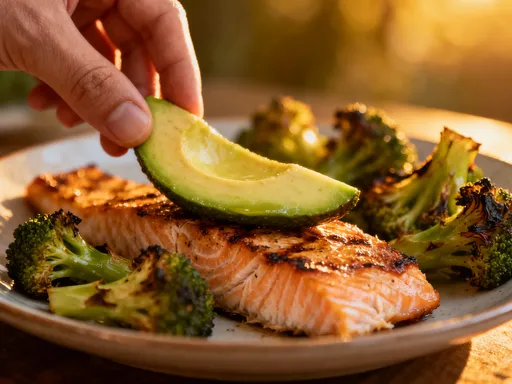
Pairing protein with fat is especially important. Cooking meat in butter, drizzling salmon with olive oil, or adding avocado to a chicken salad slows the release of amino acids into the bloodstream. This gradual absorption reduces the likelihood of triggering excessive gluconeogenesis and helps maintain stable energy levels. It also enhances flavor and satisfaction, making meals more enjoyable and easier to stick with over time.
Timing also matters. Spreading protein intake across meals—rather than consuming a large portion at dinner—supports consistent muscle protein synthesis and avoids metabolic strain. For example, starting the day with a moderate-protein breakfast like a two-egg omelet cooked in ghee with mushrooms and spinach sets a balanced tone for the day. This approach prevents the common pattern of low protein at breakfast and excess at dinner, which can disrupt metabolic rhythm.
Smart Snacking: Beyond Cheese and Nuts
Snacks are often the weak link in a ketogenic plan. While cheese, nuts, and cured meats are convenient, they can become problematic when consumed in excess or without balance. Nuts, for instance, are high in fat and low in carbs, but they also contain moderate protein and can be easy to overeat. Cashews and pistachios, while nutritious, have higher carb counts than almonds or walnuts and may affect ketosis if portions are not controlled.
More effective snacks combine fat, fiber, and a small amount of protein in a way that stabilizes blood sugar and sustains energy. A classic example is celery sticks filled with almond butter and sprinkled with chia seeds. The fiber from the celery slows digestion, the healthy fats from the nut butter provide lasting energy, and the chia seeds add omega-3 fatty acids and additional fiber. This trio works together to prevent the energy crash often associated with fat-only snacks.
Another excellent option is full-fat Greek yogurt (unsweetened) mixed with a dash of cinnamon and a tablespoon of ground flaxseed. Greek yogurt provides a moderate amount of protein and probiotics, which support gut health. Cinnamon has been shown to help regulate blood sugar, and flaxseed offers both soluble and insoluble fiber, promoting digestive regularity. This snack is creamy, satisfying, and metabolically supportive—ideal for mid-afternoon energy dips.
Hard-boiled eggs with a side of sliced cucumber and olives are another balanced choice. The egg provides high-quality protein and choline, important for brain health, while the cucumber adds hydration and fiber, and the olives contribute heart-healthy monounsaturated fats. This combination delivers a range of nutrients without spiking insulin or derailing ketosis. The key is intentionality—choosing snacks that are not just low-carb, but functionally supportive of metabolic goals.
Meal Timing and Food Sequencing
While the ketogenic diet primarily focuses on what you eat, when and how you eat also influences results. Emerging research suggests that meal timing and food sequencing—eating foods in a specific order—can enhance metabolic health, particularly for individuals with insulin resistance or slow metabolism. These strategies are not mandatory, but they can amplify the benefits of keto when applied mindfully.
One effective practice is eating fiber-rich vegetables first, followed by fats, and then protein. This sequence helps slow glucose absorption, even in the absence of high-carb foods, and supports a more gradual insulin response. For example, starting a meal with a salad of leafy greens, cucumber, and bell peppers, then moving to grilled salmon with olive oil, and finishing with a small portion of asparagus, creates a digestive rhythm that promotes stability.
Another timing strategy is narrowing the eating window. While keto does not require fasting, many find that limiting meals to an 8- to 10-hour window each day supports deeper ketosis and improved energy. This approach, often called time-restricted eating, allows the body more time in a fat-burning state and can improve insulin sensitivity over time. For busy women managing family and work, a simple schedule like eating from 9 a.m. to 7 p.m. can be both practical and effective.
Mindful eating practices—chewing thoroughly, eating slowly, and avoiding distractions—also play a role. These habits improve digestion, enhance satiety signals, and reduce the likelihood of overeating. When the body properly registers fullness, cravings decrease, and the overall eating experience becomes more satisfying. These small behavioral shifts, combined with strategic food pairing, create a powerful foundation for long-term success.
Putting It All Together: Real-Life Meal Frameworks
The true power of keto lies in its adaptability. When built on smart food pairings, it becomes a sustainable, enjoyable way of eating that supports energy, clarity, and well-being. Below are practical meal frameworks that integrate fat, fiber, and balanced protein in realistic, budget-friendly ways.
For breakfast, try a spinach and mushroom omelet cooked in ghee, served with a side of sliced avocado and a small handful of sautéed tomatoes. The eggs provide high-quality protein, the ghee adds stable fat, and the vegetables contribute fiber and antioxidants. This meal is quick to prepare, deeply satisfying, and supports steady energy through midday.
Lunch could be a large salad of mixed greens, cucumber, radishes, and roasted red peppers, topped with grilled chicken, olives, and a dressing made from olive oil and lemon juice. This combination delivers a broad spectrum of nutrients while keeping carbs low and fats high. Adding a sprinkle of hemp seeds boosts omega-3s and adds a pleasant crunch.
Dinner might feature zucchini noodles tossed in homemade pesto (made with basil, olive oil, pine nuts, and Parmesan) and topped with grilled shrimp. The zucchini provides fiber, the pesto delivers healthy fats, and the shrimp offers lean protein. This dish is flavorful, light, and easy to digest—ideal for evening meals.
These templates are not rigid rules but flexible guides. They can be adapted based on availability, preference, and budget. The goal is not perfection, but consistency in pairing principles. Over time, these choices become second nature, transforming keto from a short-term diet into a lifelong approach to health.
The real win of keto done right isn’t just weight loss—it’s feeling stronger, clearer, and more in control. By focusing on how foods work together, you enhance energy, reduce cravings, and make ketosis more effective. This approach turns keto from a restrictive regimen into a sustainable lifestyle. With the right pairings, keto becomes not just doable, but truly powerful.