What I Learned About Eating Right as a Woman — Simple Changes That Actually Work
For years, I thought "healthy eating" meant strict diets and constant willpower. But when fatigue, mood swings, and bloating became routine, I knew something had to change. As women, our bodies have unique nutritional needs that shift with hormones, stress, and life stages. What finally helped wasn’t a trend, but small, science-backed tweaks to how I eat. This is what transformed my energy, balance, and well-being — no extremes, just real food and smarter habits.
The Hidden Struggle: Why Women’s Nutrition Isn’t One-Size-Fits-All
Many women navigate daily fatigue, unexplained bloating, or sudden cravings without realizing these may stem from deeper nutritional imbalances. These symptoms are often dismissed as normal parts of being a woman, especially during menstruation, perimenopause, or periods of high stress. However, they can signal that dietary needs are not being met in a way that aligns with female physiology. Unlike men, women experience monthly hormonal fluctuations that influence metabolism, appetite, and energy levels. Estrogen and progesterone, for example, affect insulin sensitivity and fat storage, particularly in the days leading up to menstruation. This means that a diet that works well for someone else may leave a woman feeling sluggish or irritable by mid-afternoon.
Additionally, women tend to have higher body fat percentages than men, not as a flaw, but as a biological necessity for reproductive health. This impacts how the body processes and stores energy. When nutrition plans fail to account for these differences—such as recommending the same calorie intake or macronutrient ratio for all adults—they often set women up for frustration. Restrictive diets that cut calories too drastically can disrupt menstrual cycles, slow metabolism, and increase cortisol, the stress hormone. This creates a cycle where efforts to eat “healthier” actually backfire, leading to increased hunger, mood swings, and eventual burnout.
The reality is that women’s nutritional needs evolve across life stages. Adolescence, pregnancy, postpartum, and menopause each bring distinct demands on the body. Even daily routines—like managing household responsibilities, work deadlines, and caregiving—add layers of physical and emotional stress that influence what and how much a woman should eat. Generic advice like “eat less, move more” ignores these complexities. Instead, effective eating strategies must be adaptable, rooted in science, and sensitive to the hormonal and metabolic rhythms unique to women. Recognizing this is the first step toward building a sustainable, empowering relationship with food.
Fueling Hormonal Balance: The Role of Real Food Over Restriction
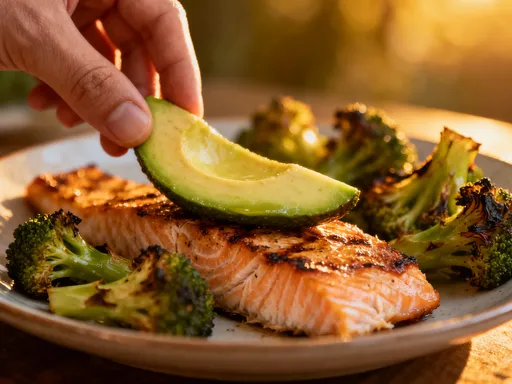
Hormonal balance is deeply influenced by the foods we eat, particularly those that support liver function, blood sugar regulation, and healthy fat production. The liver plays a crucial role in metabolizing estrogen, and without adequate nutrition, this process can become inefficient, leading to symptoms like breast tenderness, heavy periods, or acne. Nutrients such as fiber, B vitamins, and antioxidants found in whole plant foods assist in this detoxification pathway. At the same time, healthy fats—including those from avocados, nuts, seeds, and fatty fish—provide the building blocks for hormones like progesterone and estrogen. When these fats are missing from the diet, the body may struggle to maintain hormonal equilibrium, especially during the luteal phase of the menstrual cycle.
One of the most common missteps in women’s eating habits is the long-standing fear of dietary fat. For decades, low-fat diets were promoted as the gold standard for weight management and heart health. However, research now shows that cutting out fat—especially essential fatty acids—can impair hormone synthesis, dry out skin, and increase inflammation. Women who follow very low-fat regimens often report feeling cold, experiencing hair thinning, or noticing irregular periods. These are signs that the endocrine system is under strain. Rather than avoiding fat, the goal should be choosing high-quality sources while minimizing processed oils and trans fats found in packaged snacks and fried foods.
A balanced meal pattern supports both energy and hormonal health. For example, a breakfast of scrambled eggs with spinach and avocado, paired with a slice of whole grain toast, provides protein, fiber, and healthy fats—all of which help stabilize blood sugar and reduce cravings later in the day. Similarly, including a source of lean protein and vegetables at lunch and dinner helps maintain satiety and supports muscle maintenance, which is important as women age. These meals don’t require gourmet skills or rare ingredients; they rely on accessible, real foods prepared simply. Over time, consistently eating this way can reduce premenstrual symptoms, improve sleep quality, and create a greater sense of physical ease.
Timing Matters: How Eating Patterns Influence Energy and Mood
When it comes to energy and emotional stability, not only does food choice matter—but so does timing. Many women skip breakfast due to busy mornings or calorie concerns, only to experience a crash by mid-morning. This pattern disrupts blood glucose levels, prompting the release of cortisol and adrenaline to compensate. While these hormones temporarily boost alertness, they also contribute to anxiety, irritability, and increased appetite later in the day. Over time, irregular eating can impair insulin sensitivity, making it harder for the body to manage sugar effectively. For women already dealing with hormonal fluctuations, this adds another layer of instability.
Consistent meal timing helps regulate several key systems, including the thyroid, which governs metabolism and energy production. The thyroid responds well to regular fueling; when meals are delayed or skipped frequently, the body may enter a protective, energy-conserving mode. This can lead to feelings of coldness, fatigue, and difficulty losing weight—even when eating “healthy” foods. Studies suggest that spreading calorie intake more evenly across the day, with a larger proportion consumed earlier, supports better metabolic function. Front-loading calories—eating more at breakfast and lunch and less at dinner—has been linked to improved insulin response and reduced hunger throughout the day.
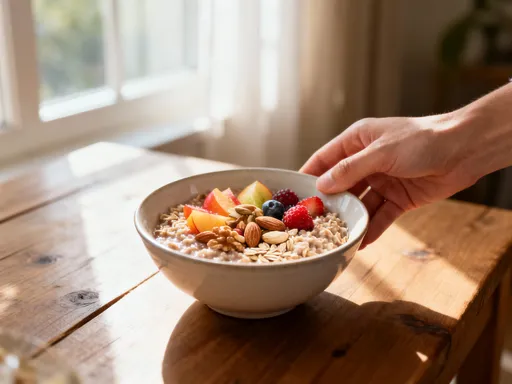
A practical way to implement this is by aiming to eat every 3 to 4 hours, depending on hunger and activity level. This doesn’t mean rigidly scheduling six small meals, but rather ensuring that long gaps between eating are avoided. A nutritious snack, such as Greek yogurt with berries or apple slices with almond butter, can bridge the gap between lunch and dinner without overloading the system. Mindful eating practices—like sitting down to eat, chewing slowly, and pausing between bites—also enhance digestion and satisfaction. These habits send calming signals to the brain and gut, reducing the likelihood of overeating later. By honoring natural hunger cues and maintaining steady fueling, women can experience more stable moods, clearer thinking, and sustained energy from morning until night.
Iron and Beyond: Addressing Common Nutrient Gaps in Women’s Diets
Iron deficiency is one of the most prevalent nutritional concerns among women of reproductive age, yet it often goes undiagnosed until anemia develops. Even before reaching clinical anemia, low iron stores—measured by serum ferritin—can cause fatigue, difficulty concentrating, and weakened immunity. Menstrual blood loss is a primary contributor, but other factors such as poor dietary intake, intense exercise, or gastrointestinal issues can also play a role. Because symptoms like tiredness or brain fog are common in modern life, they’re often attributed to stress or lack of sleep rather than a nutrient shortfall. However, addressing iron status early can make a significant difference in daily functioning and overall vitality.
Dietary iron comes in two forms: heme iron, found in animal products like lean red meat, poultry, and fish, and non-heme iron, present in plant-based foods such as lentils, beans, tofu, and fortified grains. Heme iron is more readily absorbed by the body, while non-heme iron requires specific conditions for optimal uptake. One effective strategy is pairing iron-rich plant foods with vitamin C sources—such as bell peppers, citrus fruits, or tomatoes—which can enhance absorption by up to six times. For example, adding lemon juice to a lentil salad or eating an orange after a spinach-rich meal can significantly boost iron utilization. On the other hand, certain compounds like tannins in tea and coffee or calcium supplements can inhibit iron absorption, so it’s wise to consume these several hours apart from iron-rich meals.
Beyond iron, other nutrients frequently lacking in women’s diets include magnesium and B vitamins, particularly B6, B12, and folate. Magnesium supports muscle relaxation, nerve function, and sleep regulation—all of which can be disrupted during the menstrual cycle. It’s found in leafy greens, nuts, seeds, and whole grains, but soil depletion and food processing have reduced its presence in modern diets. B vitamins are essential for energy production and mood regulation; deficiencies have been linked to increased PMS symptoms and low mood. While supplements can help in cases of confirmed deficiency, focusing on whole food sources ensures a broader spectrum of nutrients and better absorption. A varied diet rich in colorful vegetables, legumes, whole grains, and quality animal proteins naturally supports these needs without relying on pills.
Gut Health as a Foundation: Linking Digestion to Overall Wellness
The gut is increasingly recognized as a central hub of health, influencing everything from immune function to mental well-being. For many women, digestive discomfort—such as bloating, gas, or irregular bowel movements—is a frequent but often overlooked issue. Rather than accepting these as inevitable, they can be viewed as signals that the gut microbiome may be out of balance. The microbiome refers to the trillions of bacteria living in the digestive tract, which play vital roles in breaking down food, synthesizing certain vitamins, and protecting against harmful pathogens. When this ecosystem is disrupted—by poor diet, stress, or antibiotic use—it can lead to systemic inflammation and a range of seemingly unrelated symptoms, including skin issues, fatigue, and even mood disturbances.
Fiber is the primary fuel for beneficial gut bacteria, but not all fiber is the same. Diversity matters. Different types of fiber feed different bacterial strains, so eating a wide variety of plant foods ensures a more resilient microbiome. Aim for at least 30 different plant-based foods per week, including fruits, vegetables, whole grains, legumes, nuts, and seeds. This doesn’t require elaborate meals—simple swaps like choosing mixed berries instead of one type, or adding beans to soups and salads, can increase variety over time. Resistant starches, found in cooled potatoes, rice, or green bananas, also act as prebiotics, feeding good bacteria and improving insulin sensitivity.
Incorporating fermented foods is another powerful way to support gut health. Foods like plain yogurt, kefir, sauerkraut, kimchi, and miso contain live cultures that introduce beneficial bacteria into the gut. These foods have been part of traditional diets for centuries and are generally safe for most people when consumed in moderation. Starting with small portions—such as a spoonful of sauerkraut with lunch or a half-cup of kefir in a smoothie—can help the digestive system adjust without discomfort. Over time, regular intake may reduce bloating, improve regularity, and even support clearer skin. Unlike probiotic supplements, which vary in quality and strain specificity, fermented foods offer a natural, food-based approach to enhancing gut flora without drastic lifestyle changes.
Emotional Eating Without Judgment: Building a Kinder Relationship with Food
Emotional eating is often stigmatized as a lack of willpower, but it is better understood as a natural response to stress, fatigue, or emotional discomfort. For many women, food becomes a source of comfort during times of overwhelm—whether from parenting demands, work pressure, or personal challenges. Rather than viewing this as a failure, it’s more helpful to see it as a coping mechanism that, while not always ideal, serves a purpose. The goal isn’t to eliminate emotional eating entirely, but to develop greater awareness and alternative strategies over time. Self-compassion is key; harsh self-criticism only increases stress, which can perpetuate the cycle.
Mindful eating offers a gentle path forward. This practice involves paying attention to the experience of eating—notice the smell, texture, and taste of food, eat slowly, and check in with hunger and fullness cues. Before reaching for a snack, pausing for just one minute to ask, “Am I truly hungry, or am I responding to stress or boredom?” can create space for a more intentional choice. Sometimes, the answer is yes—food is needed. Other times, a short walk, a few deep breaths, or a phone call with a friend may meet the underlying need more effectively. These small pauses build self-awareness without judgment, gradually shifting the relationship with food from one of control to one of care.
Another important aspect is recognizing that restriction often leads to rebound eating. When certain foods are labeled “off-limits,” they become more desirable, increasing the likelihood of overeating them later. A more sustainable approach is permission—allowing all foods in moderation while focusing on nourishment as the foundation. This doesn’t mean eating cookies for breakfast every day, but rather removing moral labels like “good” or “bad” from food choices. When food is no longer a source of guilt, the urgency to overeat it diminishes. Over time, this balanced mindset supports long-term well-being more effectively than any short-term diet ever could.
Putting It All Together: A Flexible, Lifelong Approach to Eating Well
True wellness isn’t about following a rigid set of rules or achieving a particular body shape—it’s about creating a sustainable, responsive way of eating that supports energy, mood, and health across the lifespan. The principles outlined here—honoring biological differences, prioritizing real foods, eating consistently, addressing nutrient gaps, supporting gut health, and practicing self-awareness—form a flexible framework rather than a prescriptive plan. Each woman’s needs will vary based on age, activity level, health status, and personal preferences. The goal is not perfection, but progress: making choices that reflect care for oneself, even on difficult days.
Resilience, not restriction, should be the guiding value. There will be days when meals are skipped, cravings are indulged, or convenience takes priority. These moments don’t negate long-term health; what matters most is the overall pattern. By tuning into bodily signals—like hunger, energy levels, and digestion—women can learn to trust their instincts and make informed choices without relying solely on external guidelines. This internal attunement fosters a deeper sense of agency and empowerment, turning eating from a source of stress into an act of self-respect.
Finally, while nutrition plays a powerful role in well-being, it is not a substitute for medical care. Women experiencing persistent fatigue, severe mood changes, or digestive issues should consult a healthcare provider to rule out underlying conditions such as thyroid disorders, polycystic ovary syndrome (PCOS), or celiac disease. Registered dietitians can also offer personalized guidance tailored to individual needs. Viewing dietary changes as part of a broader self-care practice—alongside rest, movement, and emotional support—creates a holistic foundation for lasting health. Eating well, at its core, is not about punishment or deprivation, but about nurturing the body that carries us through life’s many seasons.